
PCB Fabrication Project

Collaborators: Maysarah Sukkar, Yousif Alhajji
With the recent opening of RASTIC, the need for in-house PCB (Printed Circuit Board) fabrication has grown among students tackling complex engineering projects. PCBs are essential for reducing signal attenuation in sensitive circuits, simplifying designs, and creating more robust current assemblies. Recognizing this demand, we were tasked with operationalizing the Carvera CNC mill within the RASTIC space to serve this purpose.
Project Objective
Our goal was twofold:
To make the Carvera CNC mill fully operational for PCB machining.
To document the process thoroughly, creating a clear and accessible workflow that allows students to walk in with a completed PCB design and leave with a fabricated board.
This initiative aimed to equip RASTIC with a functional PCB fabrication setup and empower students by streamlining the machining process, fostering innovation, and reducing reliance on external manufacturing.
Implementation and Workflow Development
The process involved several key steps:
Hardware Setup: We ensured that the Carvera CNC mill was correctly assembled, calibrated, and optimized for PCB machining. This included setting up appropriate tool heads and verifying alignment for precision milling.
Software Integration: We configured the necessary software tools to translate PCB designs into machine-readable formats. This included importing Gerber files, preparing tool paths, and defining drilling and routing operations using compatible CAM software.
Material Selection: We standardized the types of PCB materials (e.g., FR-4) and thicknesses that the mill could reliably handle, ensuring consistent results.
Documentation: To make the process user-friendly, we created a step-by-step guide detailing everything from exporting designs to setting up the machine and troubleshooting common issues. The documentation also includes safety protocols and tips for achieving optimal results.
Challenges and Solutions
During the setup, we encountered challenges such as:
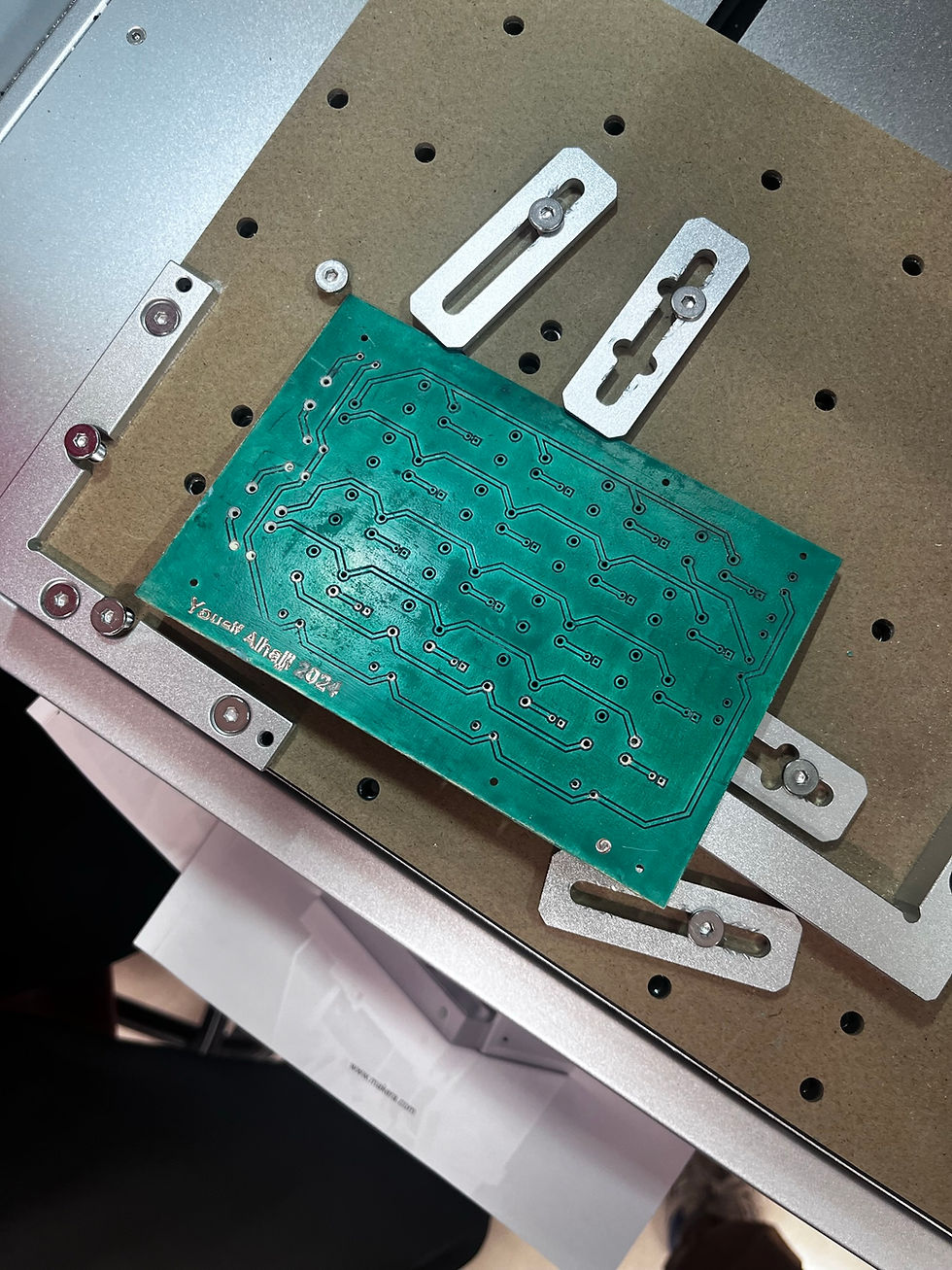
Tool Wear and Calibration: Improper calibration led to uneven traces initially. Regular tool maintenance and precise alignment resolved this issue.
Material Handling: Variations in copper thickness caused inconsistent cuts. To address this, we established pre-checks to verify material specifications before machining.
Workflow Complexity: Students unfamiliar with CNC machines found the setup intimidating. The documentation was tailored to break down the process into manageable steps, supplemented by visual aids and example projects to build confidence.
Impact and Future Work
The operational Carvera CNC mill now provides students with an accessible, in-house solution for PCB fabrication. This significantly reduces turnaround times and costs compared to outsourcing. The streamlined workflow allows users to go from design to finished PCB within hours, fostering rapid prototyping and iteration for electronics projects.
Moving forward, we aim to:
Train additional RASTIC staff and student volunteers to assist new users.
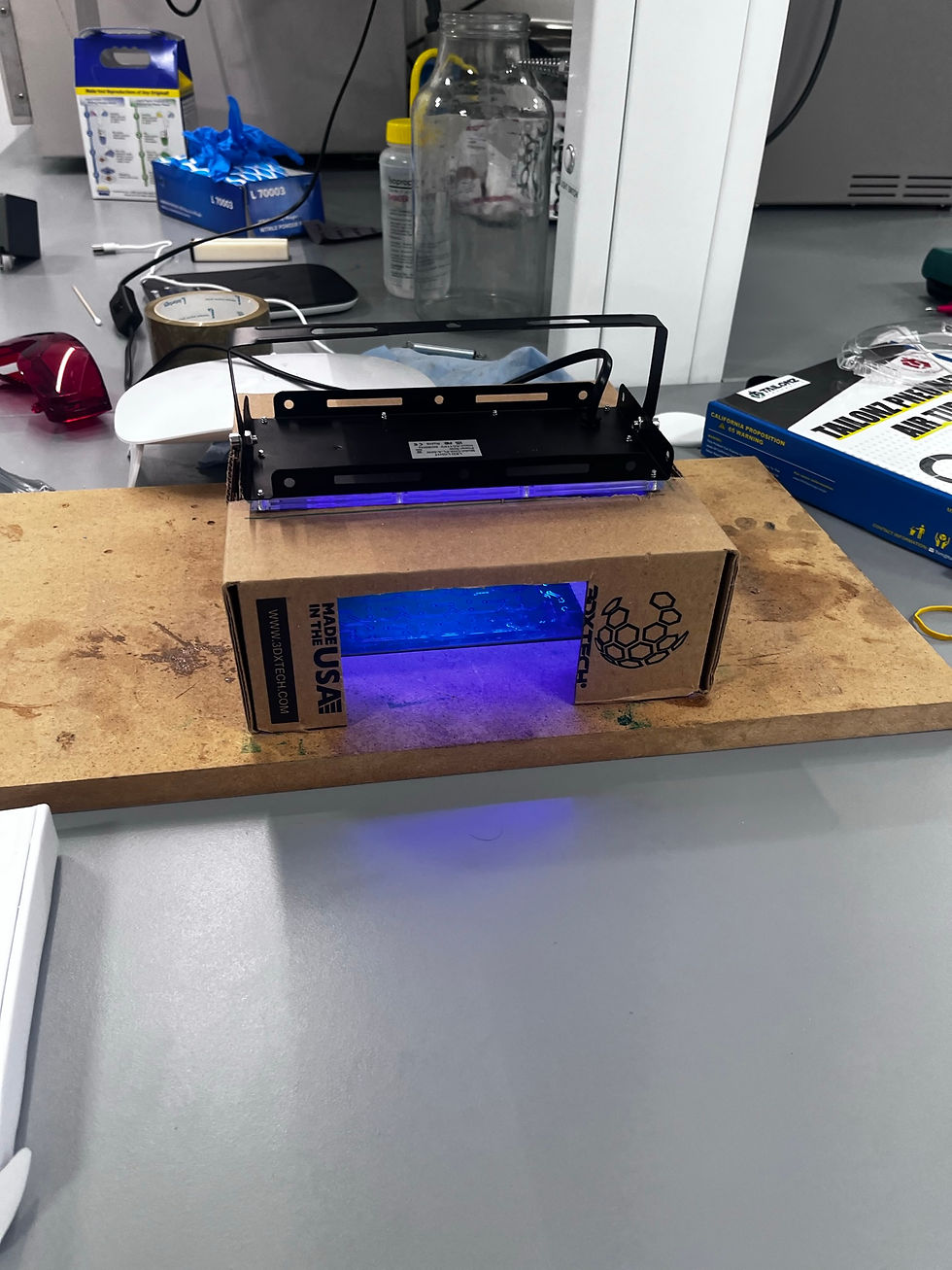
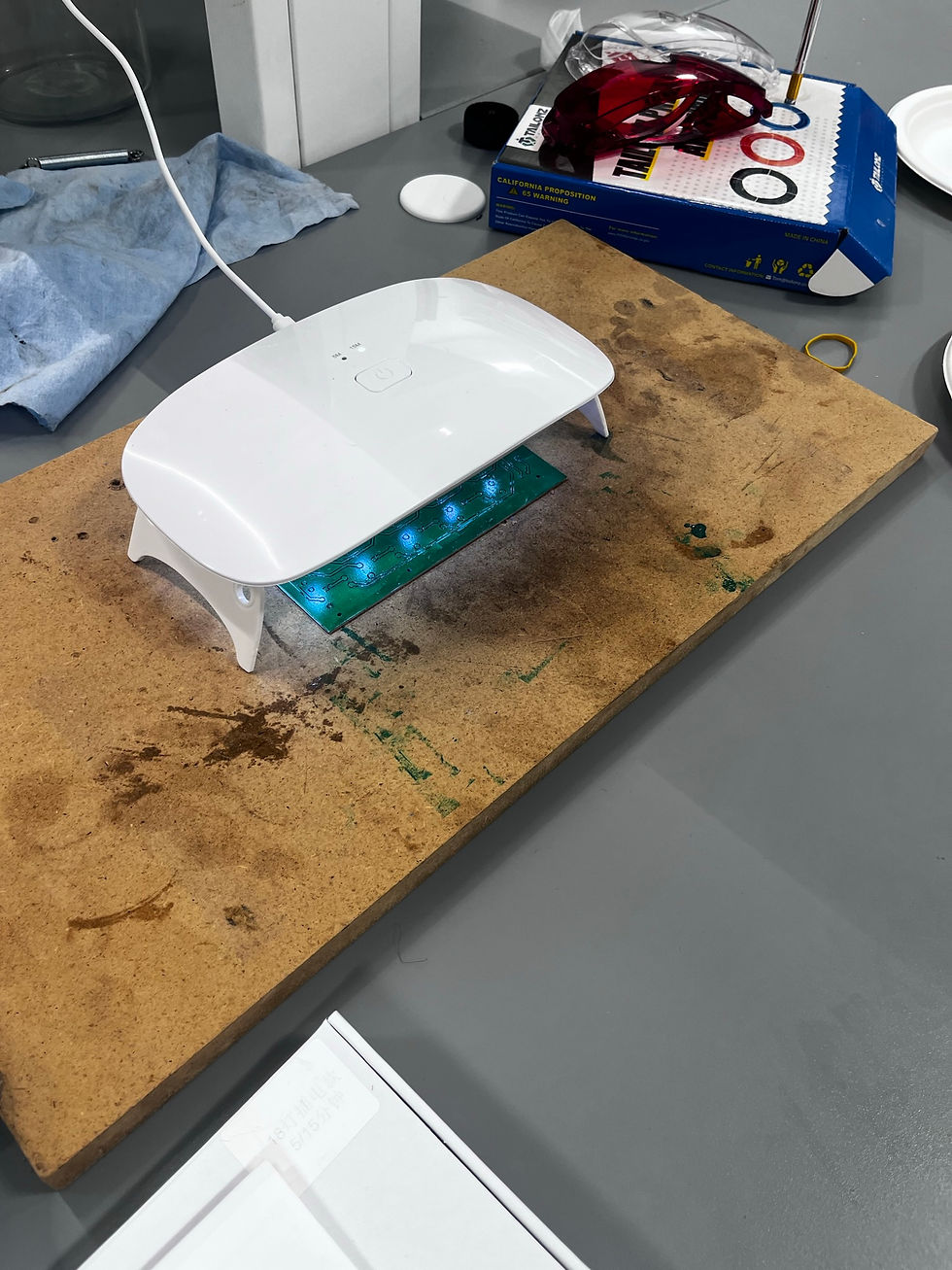
Expand capabilities for double-sided PCB milling and solder mask applications.
Explore integrating automated inspection systems for quality control.
This project has not only enhanced the functionality of RASTIC but also empowered students to take control of their designs and experiment more freely with custom PCBs, pushing the boundaries of their creativity and engineering skills.


Comments