
Peltier Effect Combination Heater and Cooler

This project was born during a hackathon, where our team drew inspiration from a concept introduced by one of my professors. The professor showcased a fascinating device known as a Peltier device, or thermoelectric cooler (TEC). This compact device can convert electrical energy into a temperature gradient, transferring heat from one side to the other. Depending on the configuration, one surface becomes hot while the other cools down.
Our team was captivated by the possibilities this technology offered. After brainstorming potential applications, we settled on the idea of designing a system capable of simultaneously heating and cooling components of a meal. Imagine cooking a perfectly tender sous-vide steak while chilling a drink to pair with it—this dual-purpose device could bring culinary convenience and precision to a new level.
To achieve this, we focused on the thermodynamics of TECs and designed a modular setup where each TEC unit was sandwiched between heat exchangers for optimal performance. The hot side of the TEC was paired with a copper plate and controlled via a PID system to maintain a stable temperature for sous-vide cooking. Meanwhile, the cold side was linked to an aluminum heat sink to dissipate heat effectively, ensuring a reliable cooling function. By carefully managing the electrical input to the TEC, we could control the heat transfer rate and maintain precise temperature settings for both sides.
Another key challenge we tackled was thermal insulation. To prevent heat leakage between the hot and cold zones, we integrated a layer of polystyrene insulation between the compartments. This design ensured that each temperature zone could operate independently, maximizing efficiency. Additionally, we implemented temperature sensors (NTC thermistors) and an Arduino microcontroller for real-time monitoring and fine-tuned control. The Arduino allowed us to dynamically adjust the TEC’s power input based on feedback from the sensors, ensuring consistent performance across both functions.
Our final prototype, although built under the time constraints of a hackathon, showcased the potential of this concept. The device successfully maintained a stable temperature for sous-vide cooking while simultaneously cooling down a liquid to a refreshing chill. This project not only demonstrated the versatility of TECs but also pushed us to creatively solve challenges in heat management and system integration.
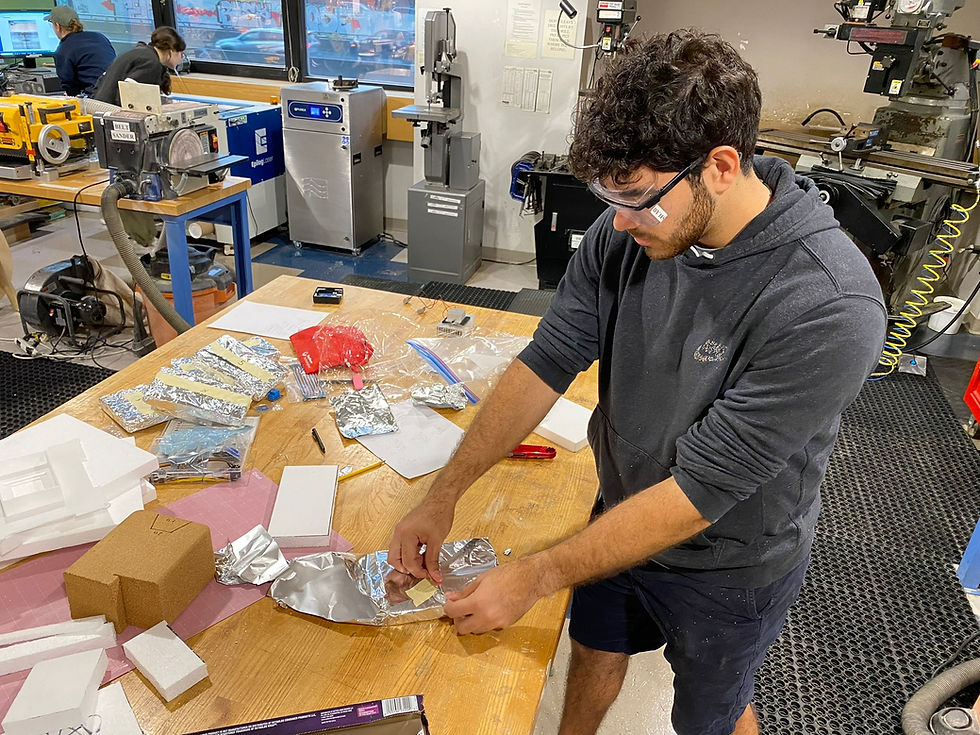
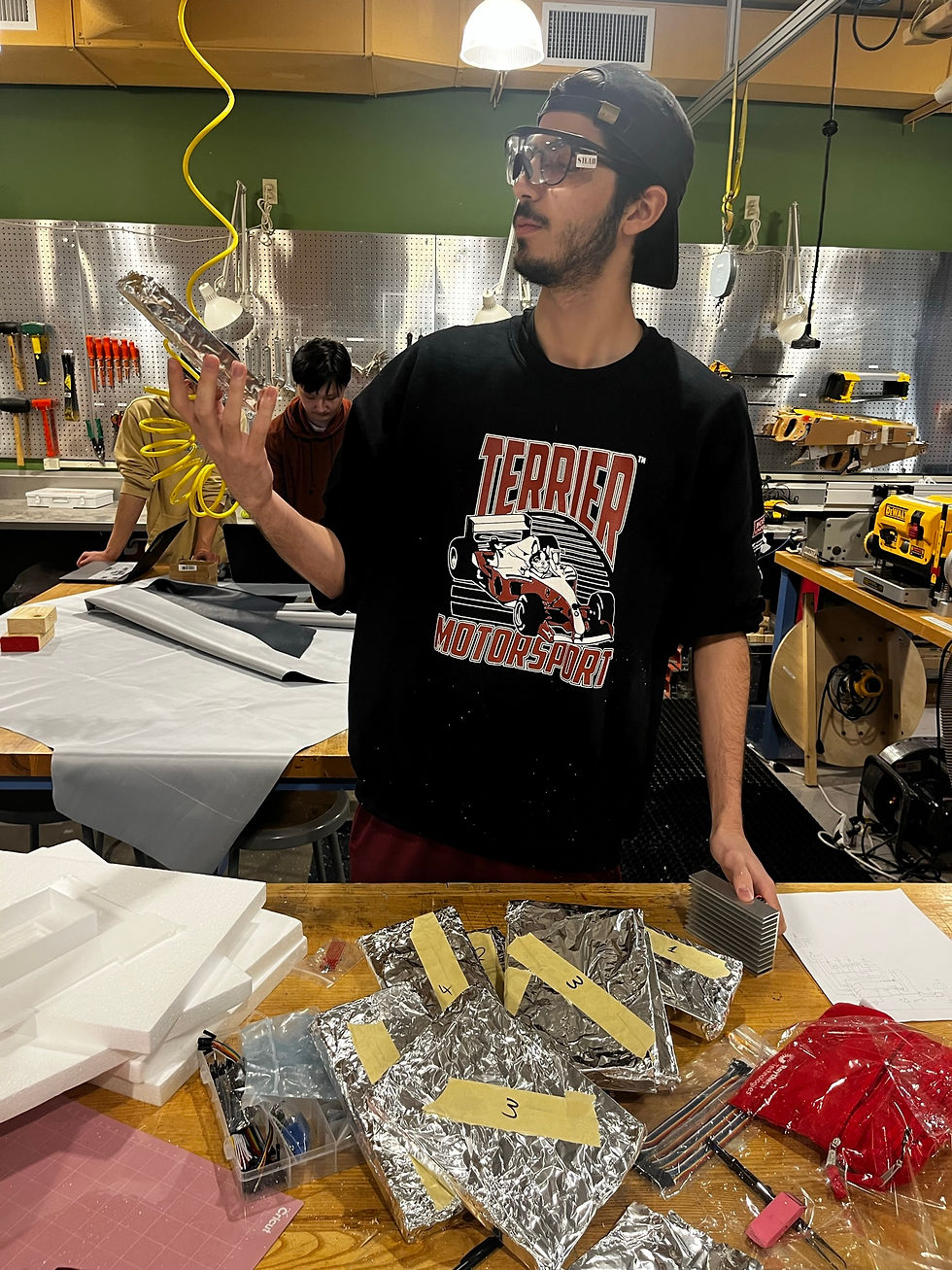
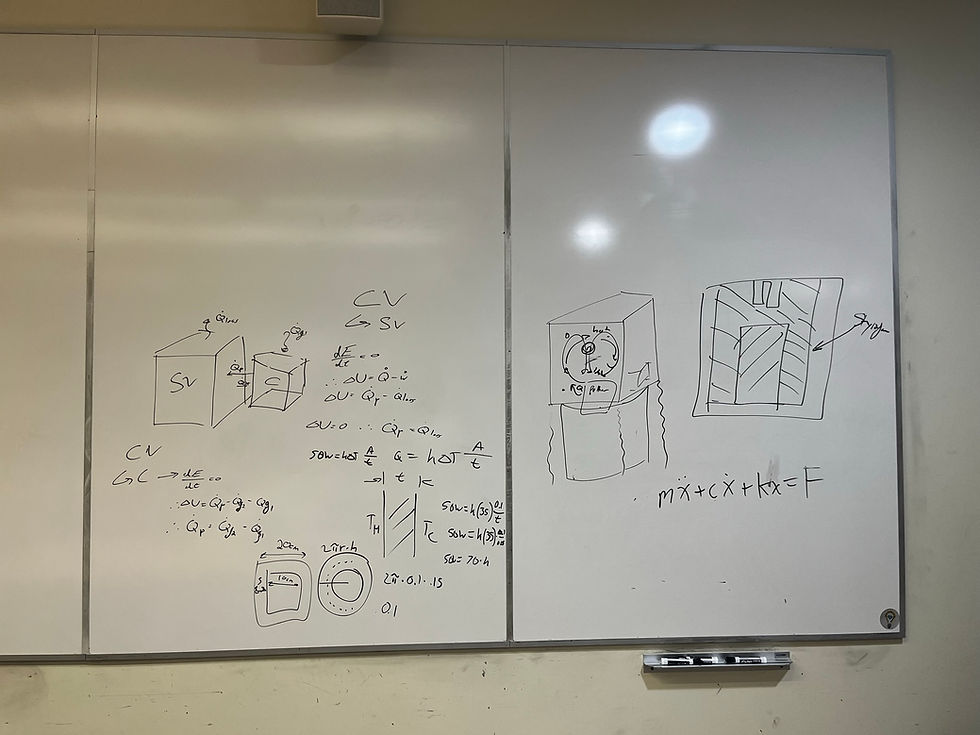
Below are images showcasing the evolution of our project, including preliminary sketches, assembly stages, and the completed device. The experience highlighted the power of teamwork and innovation, showing how a simple idea can transform into a practical solution when approached with curiosity and determination.


Comments